Common Indoor Mold Damages In Long Beach Township
The CDC reports that molds are very common in homes and will grow well on paper products, cardboard, ceiling tiles and wood products, but can also be found growing in dust, paint, wallpaper, insulation, drywall, carpet, fabric, and upholstery. Mold is typically found in places that have a lot of moisture or in areas that have sustained water damage or flooding. We are no strangers to moisture or water here in Long Beach Township so, consequently, mold is a very common occurrence in homes in this area. We are going to explain some of the most common indoor molds, how they grow, how to identify them, and most importantly how to resolve mold damage in your home.
Mold Damage In Long Beach Township
The most common molds found indoors are Cladosporium, Penicillium, Stachybotrys and Aspergillus. Most species of Cladosporium are not dangerous to humans. These molds, alone with Aspergillus and Penicillium, are a normal part of living in an enclosed environment, but when levels get too high they can become toxic to humans. Mold reproduces through spores, which are like microscopic seeds, that travel through the air. Inhalation of mold spores can lead to many different respiratory problems. Spore levels between 500-1500 are considered normal in homes, but if the levels are higher than 1500 it is time to seek remediation to prevent mold exposure symptoms. Stachybotrys is often referred to as ‘toxic mold’ because it is a type of black mold, and while black mold is the most dangerous, all molds can cause respiratory symptoms to those who are exposed to them.
As these mold spores find their way into our homes, some may end up in a place that facilitates mold growth. Moisture and a food source are necessary for a mold spore to take root and our homes are full of materials that provide the necessary nutrients that will encourage mold growth. We named a few to begin our discussion, but just to reiterate – materials like paper products, wood products, drywall, and insulation are all great places to host and support mold growth. Once moisture is introduced to the scenario, mold will begin growing.
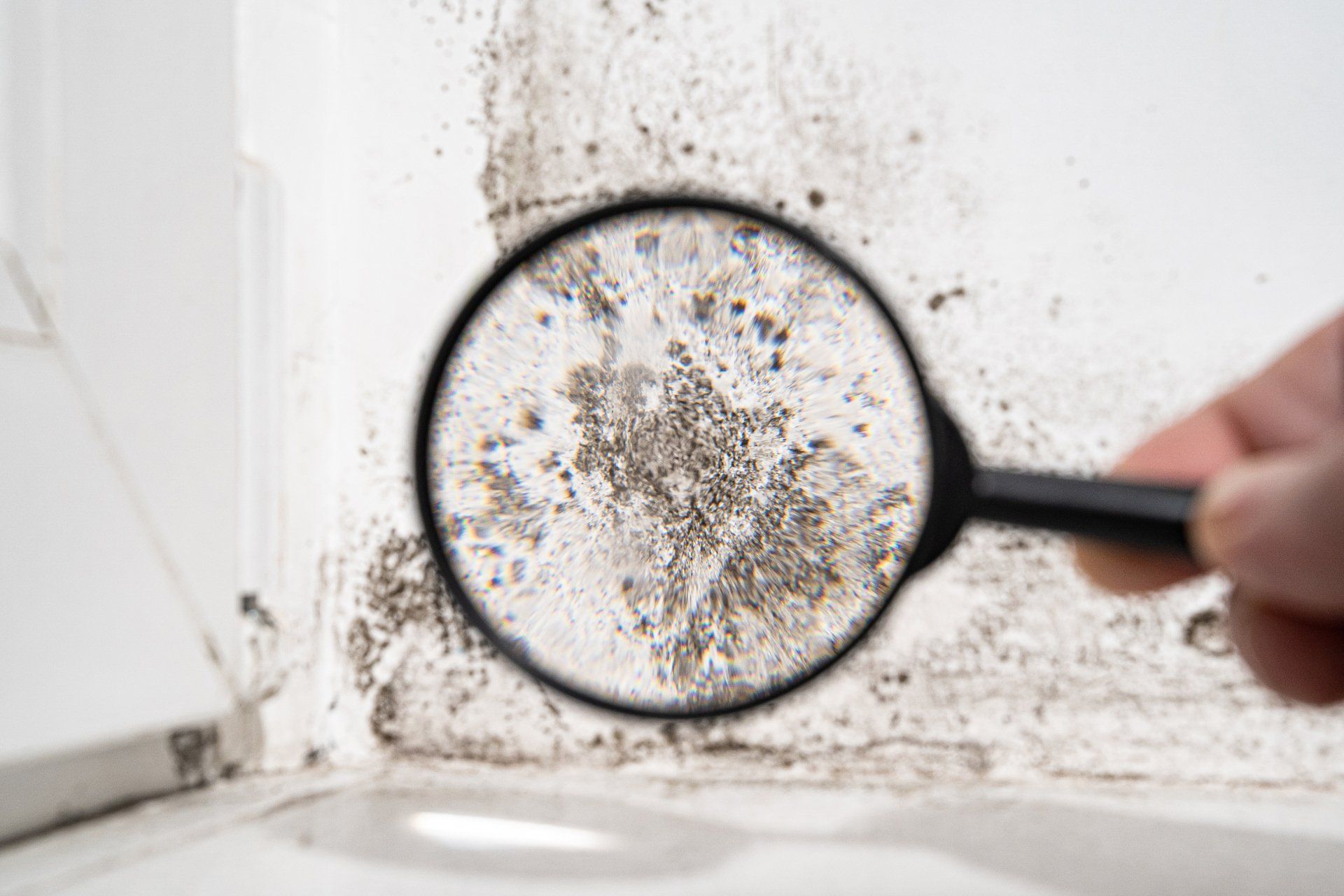
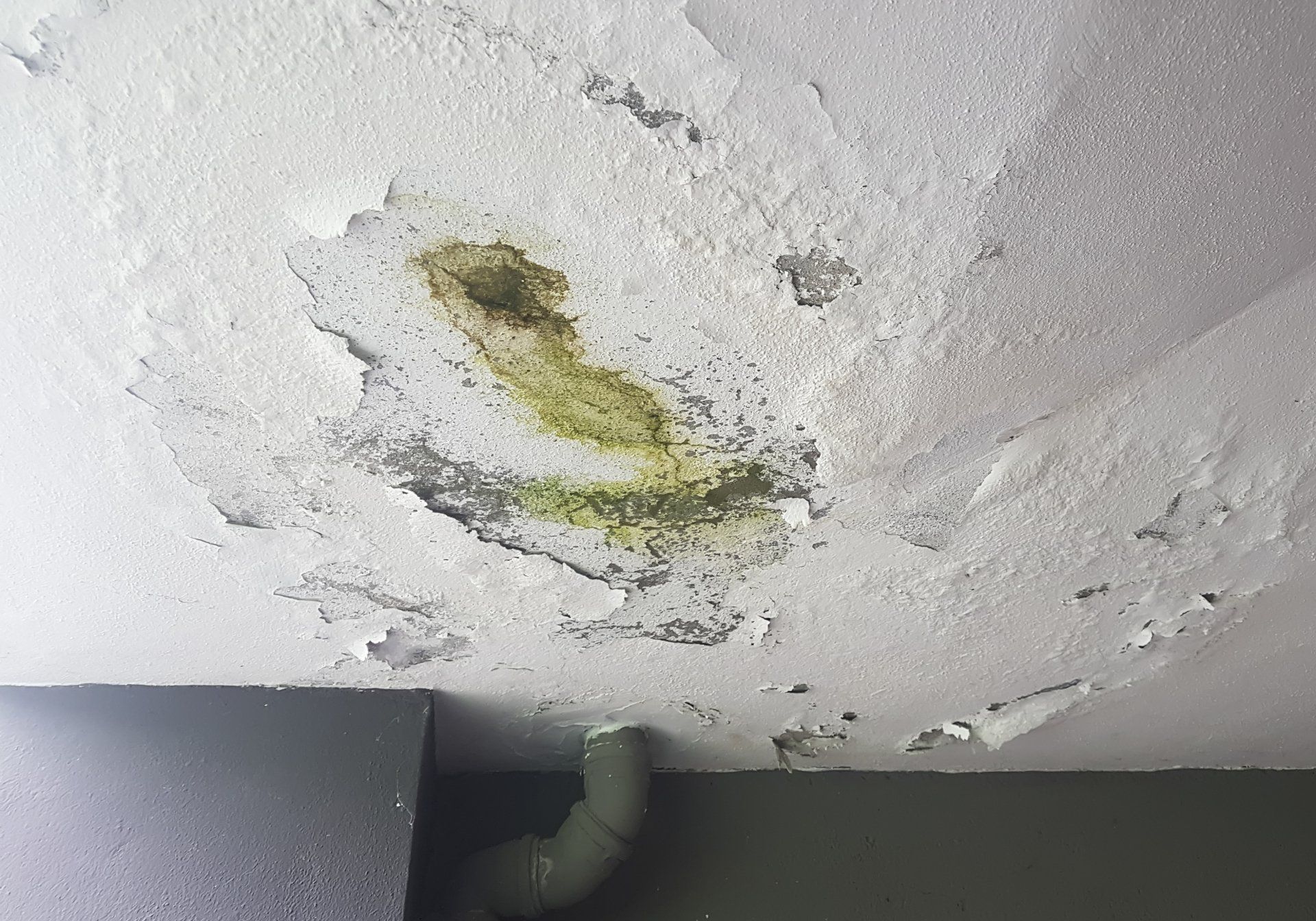
There are a few things you should look for that will let you know mold is growing in your home. First, the appearance of mold is a dead give-away. If you notice colored specks on walls, ceilings, or floors in your home that are not just a stain or a splotch, it is probably mold. Mold can be green, brown, black, white, or even spotted. It often appears to have a fuzzy or velvety texture. The second sign you have a mold problem is musty odors. Mold is almost always accompanied by an earthy stench that does not go away.
So, you have found mold in your home, what do you do next?
Mold is not something that you should attempt to resolve on your own. Mold exposure is dangerous to your health, and the problem can actually become worse if you do not have the correct equipment and training to manage it.
Mastertech of Jersey Shore specializes in mold detection and mold damage restoration. We are able to contain the problem, limit further spread and contamination, and restore your home when you have mold damage. The most important thing you need to know about mold is that
Mastertech will take care of it for you.